

Here We Don't Go Again
No, Hantavirus is not the next pandemic

“Are you worried? Is this 2020 again?” This was a question from My Beloved, as we discussed the recent reports of Hantavirus on a cruise ship in the Atlantic.
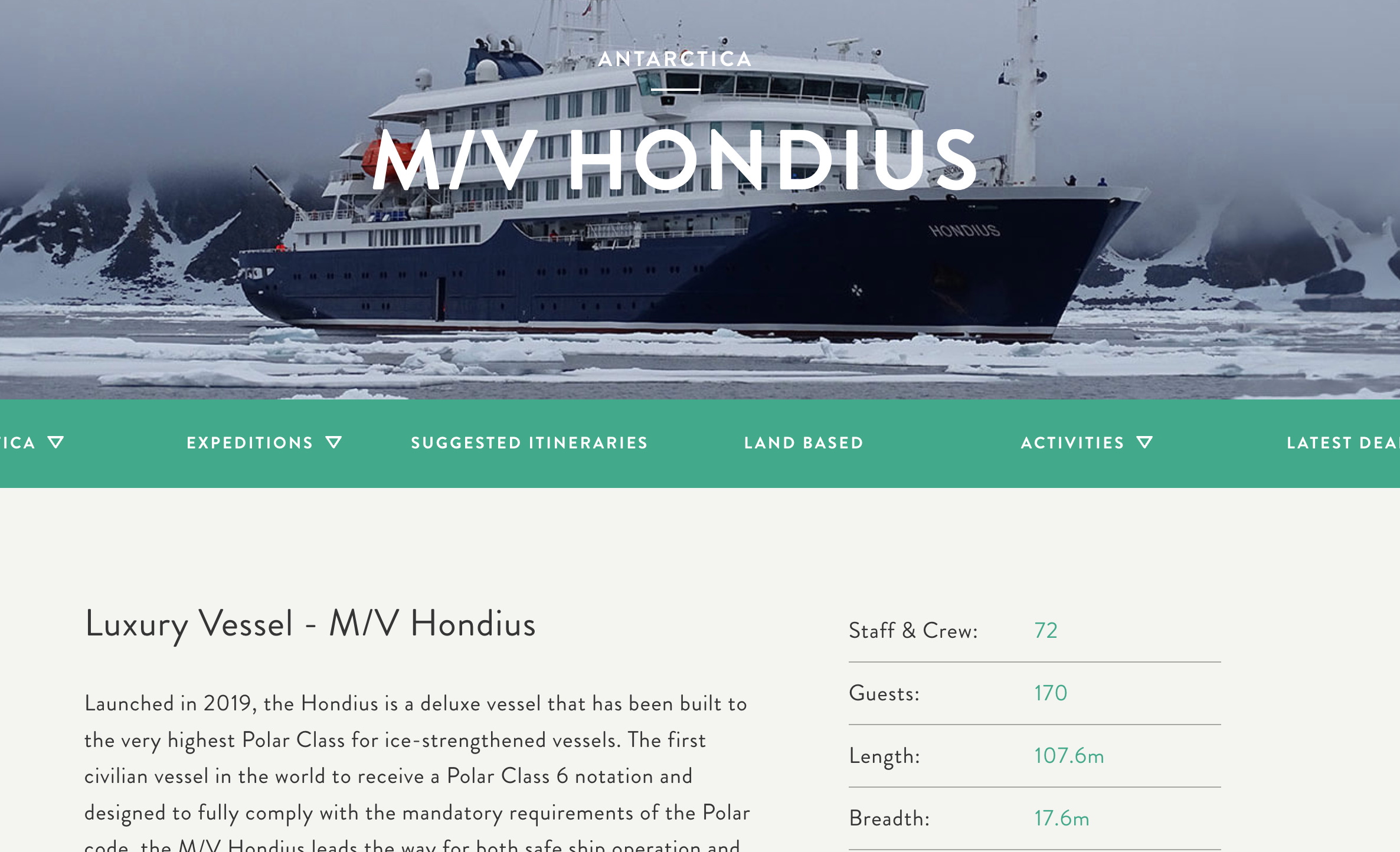
I can understand the concerns. There are many echoes from the early days of Covid-19. The cruise ship angle, which was an incubator for early cases of COVID-19 in 2020. The exotic locale of South America as a starting point. The elderly victims from the first cases.
Hantavirus infections may not be familiar to most people, but this virus has been around for many years, in many places. In the United States, most cases occur west of the Mississippi River, especially in the Four Corners area—Arizona, New Mexico, Colorado. The strain in the US is predominantly the Sin Nombre, and is transmitted by exposure to dried rodent urine and feces. Many cases are not recognized until late in the course of illness—or after death, should mortality occur. Human-to-human transmission is the rare exception, not the rule. With Covid-19, influenza, and RSV, human-to-human transmission is common.
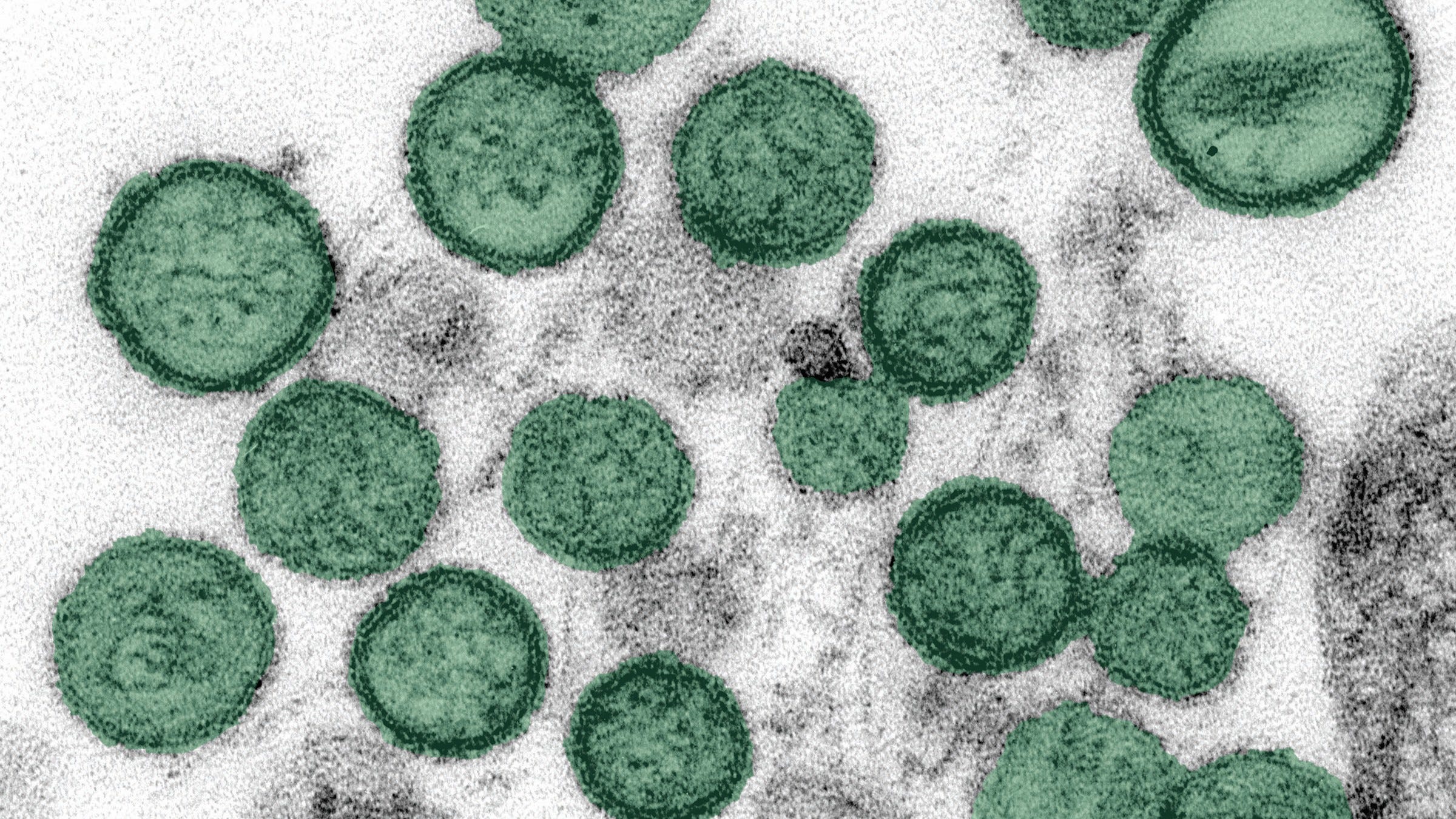
It is unclear how many cases of Hantavirus infection develop into the severe form of Hantavirus infection called Hantavirus Pulmonary Syndrome (HPS), but some studies suggest that with Sin Nombre Virus and Andes Virus the percentage developing the severe form of infections is pretty significant, maybe 50% of recognized cases.
But here’s why I am not worried (for now)—even if there is proven person-to-person transmission of Hantavirus, which may mean it is the Andes Virus variant of Hantavirus on the M/V Hondius. Andes Virus strain of Hantavirus may be spread by both droplets and aerosols. There are no reports of asymptomatic transmission of Hantavirus, including Andes Virus. Asymptomatic transmission of Covid-19 made it hard to track cases and was a big driver of Covid-19 transmission. Even influenza has a period of 24 hours of asymptomatic spread from infected individuals before symptoms develop.
Some individuals with Andes Virus may be so-called “superspreaders” with high viral loads that transmit easily to other people. So while the mortality rate of Hantavirus infections may run 20% to 40%, when Hantavirus Pulmonary Syndrome has developed, without widespread efficient transmission, and especially asymptomatic transmission, this outbreak is unlikely to spread to any significant degree beyond those first cases identified in the outbreak.
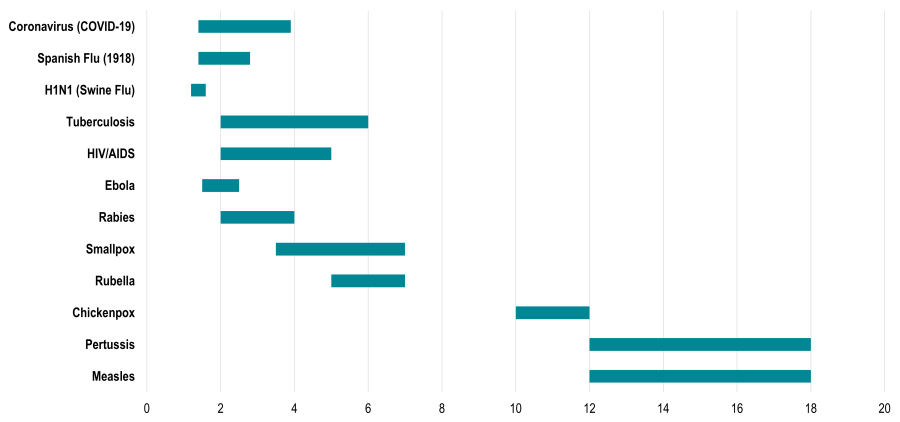
The measure of infectiousness for different germs is called the Reproductive Number. For Covid-19, this was from 2 to 4, meaning each case caused 2 to 4 more ongoing cases early in the pandemic, when no one had immunity. The reproductive number of Andes Virus was about 2.12 during a superspreader event, which is significantly less than other viruses. The higher the reproductive number, the more infectious is that particular germ.
Even still, there are special concerns around Hantavirus, because, as in the early days of Covid-19, there are no vaccines or known treatments for Hantavirus infections. Care is supportive, and hoping that the virus passes without causing death or permanent injury.
Another concern is the prolonged incubation of infection, which may be greater than 4 weeks. So individuals in contact with confirmed cases, should be monitored for prolonged periods to see if they develop symptoms.
For those traveling, especially on cruise ships, infection of any kind, is always a concern. For travelers to developing countries, the risks are increased as well, perhaps up to 70% of travelers to some countries, developing illness during or immediately after travel.
Travelers should always be up to date on routine vaccinations, as well as vaccinations specific for diseases in the countries they are visiting. Travelers should continue to practice good hand hygiene and cough etiquette, such as coughing into their sleeve, not into their hand.
Masks are most helpful for preventing transmission to others of germs that one has, or preventing rubbing ones mouth or nose, as well as preventing acquiring germs spread by droplets, but only KN-95 or N-95 quality masks are likely to prevent acquiring infections from aerosols such as tuberculosis, measles and Covid-19. Andes Virus strain of Hantavirus may be spread by both droplets and aerosols—but so are many other infections.
In developing countries where safe food and water is not always available, the dictum to “Boil it, peel it, cook it, or forget it” remains good advice to stay safe from food and waterborne illness.
So keep a weather eye, practice good habits and hygiene, but keep calm and carry on. It’s not 2020 again.
Always enjoy your informative articles. Thanks for sharing your knowledge with us!
Another excellent discussion , well articulated a proper perspective. Do you happen to know the reproductive number for yellow fever? A disease that was devastating for residents of Charleston and Savannah.